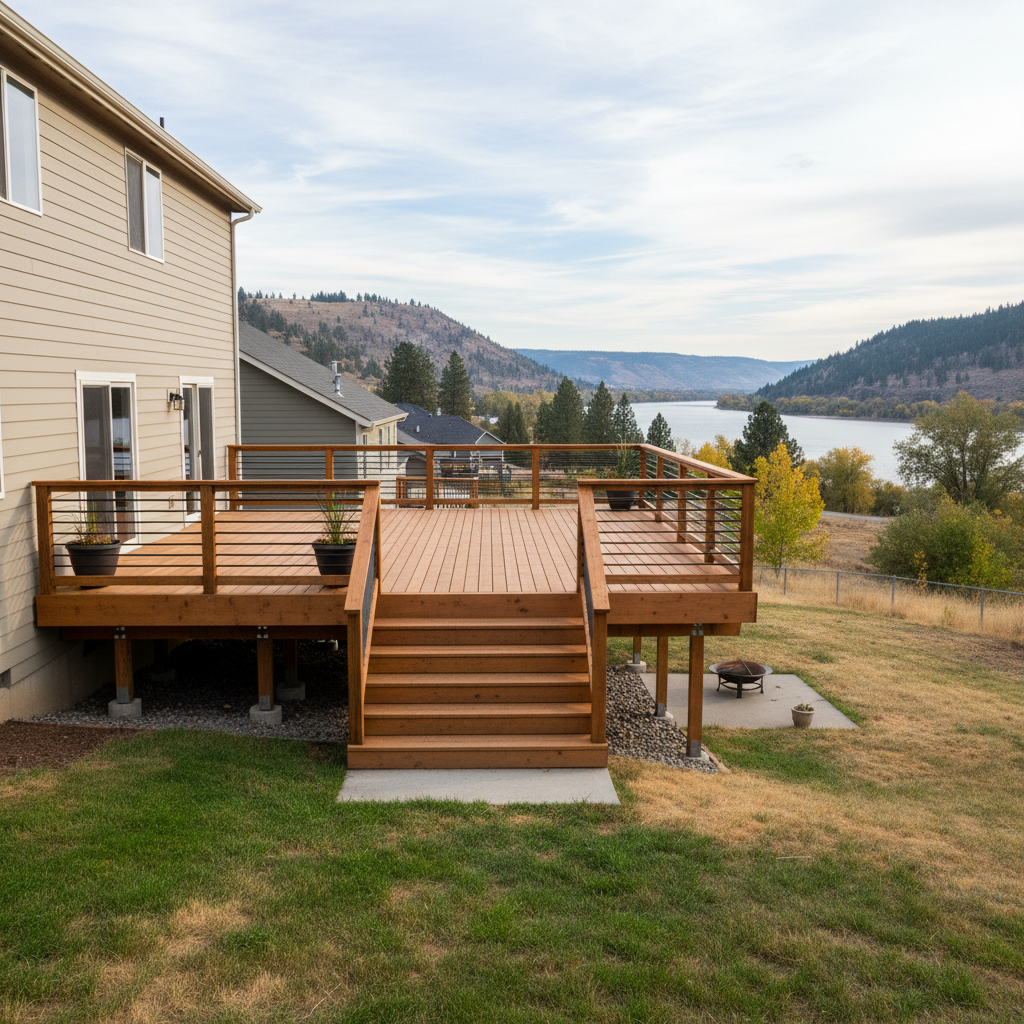
When's the best time to build a deck here in Richland? It's a question I get asked a lot, and honestly, there's no single 'perfect' answer. Our climate, with its hot, dry summers and sometimes surprisingly cold, windy winters, means you've got to think strategically about when you schedule your project. It's not just about when you want to use it; it's about what conditions are best for the build itself.
Scheduling Your Deck Project: What Our Seasons Mean
Most folks want their deck ready for summer, right? That means planning ahead. If you're hoping to grill out on your new deck by July, you're probably looking at a spring build. But spring here can be tricky. We get those blustery days, and while it's not usually a deal-breaker, strong winds can make some parts of the job, like setting posts or handling larger composite boards, a bit more challenging and slower. We've got to work safely, always.
Summer builds are popular for obvious reasons – long daylight hours, generally predictable weather. But man, those 100-degree days we get in July and August? They're brutal on the crew and can affect materials. Wood expands and contracts, and some composite materials can get pretty hot to handle. It also means we start earlier in the day to beat the worst of the heat, so you might hear us getting going before the sun's fully up. We also have to be extra careful with fasteners and cutting in extreme heat, as materials behave differently.
Fall is often my personal favorite for building. The temperatures are usually just right, not too hot, not too cold. The ground isn't frozen, and we usually get a good stretch of dry weather after the summer heat breaks. Plus, if you build in the fall, you've got a brand new deck ready to go for next spring's first warm day, without the rush.
Winter? Well, it's not impossible, but it definitely presents challenges. Frozen ground can make digging footings a nightmare, adding time and cost. We also get those cold snaps where temperatures drop below freezing, and that can impact things like concrete curing times. If you're building with wood, working with frozen lumber isn't ideal. It's generally a slower, more difficult process, and frankly, it's harder on the crew. But if you're not in a rush and want to get on our schedule when it's less crowded, we can make it work, weather permitting.
Weather Conditions That Affect the Job
Beyond just the season, specific weather conditions really dictate how we work. Here's what I'm keeping an eye on:
- Wind: Richland's known for its wind, especially in spring. High winds can make it unsafe to lift large sections of framing or even just handle long deck boards. It's a safety issue, and it can also affect the precision of cuts and installations.
- Rain: While we don't get a ton of rain, a downpour can halt work immediately. Wet wood is slippery and heavy. Plus, working in mud is just no fun and can track dirt all over your property. We always protect the job site as best we can, but sometimes, you just have to wait for it to dry out.
- Extreme Heat/Cold: As I mentioned, these extremes affect both the materials and the crew. Concrete needs specific temperatures to cure properly. Some adhesives and sealants have temperature limitations for application. We adjust our schedule and methods accordingly.
- Snow/Ice: This is a definite no-go for most construction. It makes the site unsafe, and you can't properly prepare footings or work with materials when everything's covered in snow or ice.
What this means for you is that sometimes, even if we've got a start date, Mother Nature might have other plans. We'll always communicate any delays due to weather. Your safety and the quality of the build are my top priorities.
Protecting Your Investment Year-Round
Once your deck is built, you want it to last, right? Our Richland climate, with its intense sun and occasional freezes, can be tough on outdoor structures. Here's what you can do:
- Sun Protection: The UV rays here are no joke. For wood decks, regular cleaning and re-sealing or staining every couple of years is crucial. It prevents drying, cracking, and fading. For composite decks, while they're more UV resistant, a good wash down once or twice a year keeps them looking new and prevents mildew buildup, especially in shaded areas.
- Winter Prep: Before winter hits, give your deck a good clean. Remove any leaves or debris that can trap moisture and cause rot or staining. Check for loose fasteners or boards and address them. If you have a wood deck, make sure its sealant is in good shape to repel moisture from any snow or ice.
- Drainage: Make sure water drains away from your deck and house foundation. Our soil here, especially in areas like Badger Mountain, can be clay-heavy, and poor drainage can lead to issues with your deck's footings over time. Keep gutters clean and ensure downspouts direct water away.
- Regular Inspections: Just like anything else, a quick once-over every few months can catch small problems before they become big ones. Look for splintering, loose railings, or signs of insect activity.
Building a deck is a big investment, and we at Skyline Decks Richland want to make sure you get the most out of it for years to come. Understanding our local climate and planning your project accordingly, then maintaining it properly, is key to that.